Colors have a language of their own. Some feel bold and powerful, others mysterious and dreamy, while a few bring a sense of calm, elegance, or nostalgia. From the deep richness of Midnight Blue to the playful warmth of Peach, every color has a personality that makes it memorable.
If you’re searching for cool color names, you might want something unusual for a character, a creative project, a username, a gaming identity, or simply to discover beautiful shades beyond the familiar colors of everyday life.
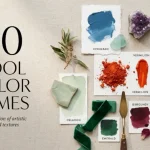
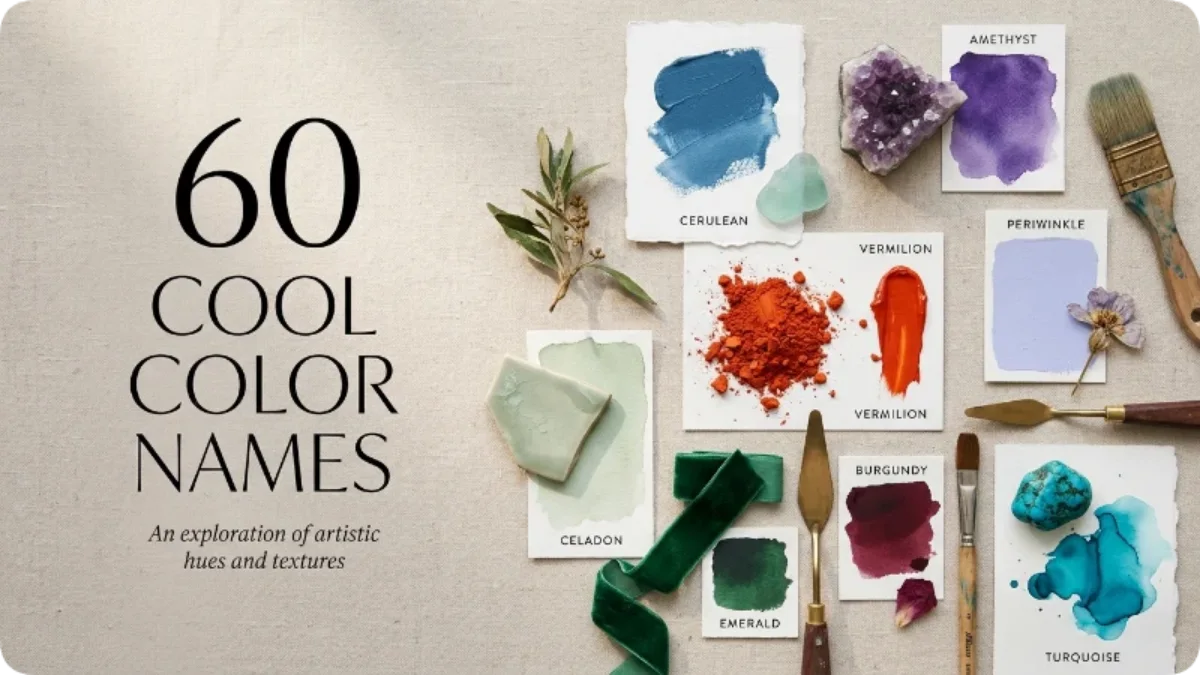
The world of color offers endless inspiration. Names such as Cerulean, Vermilion, Amethyst, Sage, Periwinkle, and Celadon sound distinctive while connecting to recognizable colors, materials, nature, and artistic traditions.
In this guide, we’ve collected 60 cool color names organized by their personality and visual appeal. You’ll discover dark and mysterious shades, magical colors, elegant tones, vibrant hues, and unusual color names, along with their origins, descriptions, and creative uses.
Quick Answer: What Are Some Cool Color Names?
Some cool color names include Cerulean, Amethyst, Teal, Indigo, Vermilion, Periwinkle, Celadon, Sage, Burgundy, Mauve, Turquoise, Charcoal, and Crimson. These names describe distinctive shades inspired by nature, gemstones, historical pigments, and artistic traditions, making them useful for creative projects, characters, usernames, and color palettes.
Overview of Cool Color Names
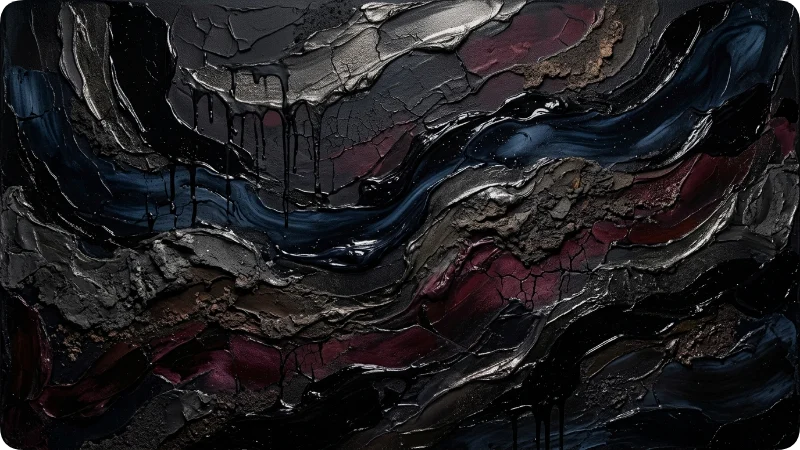
Before exploring individual shades, here’s a quick overview of some interesting color names and the personalities they suggest.
| Color Name | Color Family | Overall Vibe |
| Cerulean | Blue | Calm and dreamy |
| Amethyst | Purple | Magical and luxurious |
| Vermilion | Red-orange | Bold and artistic |
| Periwinkle | Blue-purple | Soft and whimsical |
| Celadon | Pale green | Elegant and peaceful |
| Indigo | Deep blue | Mysterious and creative |
| Burgundy | Dark red | Sophisticated |
| Teal | Blue-green | Modern and balanced |
| Sage | Muted green | Natural and peaceful |
| Mauve | Muted purple | Romantic and vintage |
| Turquoise | Blue-green | Fresh and tropical |
| Charcoal | Dark gray | Strong and minimal |
| Crimson | Deep red | Powerful and dramatic |
| Lavender | Light purple | Gentle and dreamy |
| Saffron | Golden yellow | Warm and distinctive |
| Onyx | Black | Dark and luxurious |
| Coral | Pink-orange | Bright and cheerful |
| Cobalt | Strong blue | Confident and striking |
| Marigold | Golden orange | Warm and sunny |
| Rosewood | Dark reddish brown | Rich and elegant |
| Mulberry | Deep purple-red | Dramatic and creative |
| Aquamarine | Blue-green | Refreshing |
| Ebony | Black | Classic and mysterious |
| Garnet | Deep red | Bold and luxurious |
| Lilac | Pale purple | Delicate and charming |
| Ochre | Earthy yellow | Rustic and artistic |
| Slate | Blue-gray | Cool and understated |
| Emerald | Green | Rich and majestic |
| Scarlet | Bright red | Passionate and energetic |
| Champagne | Pale golden beige | Elegant and refined |
Dark and Mysterious Color Names
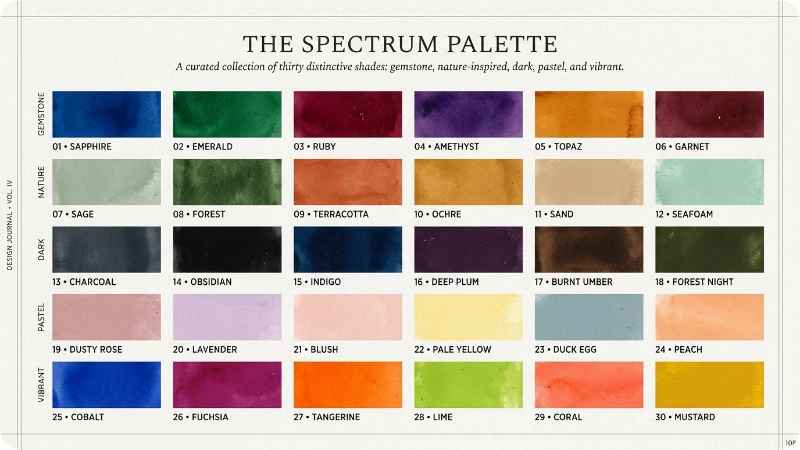
Dark colors often carry a sense of mystery, confidence, and sophistication. Their names are especially appealing when you want something dramatic for a fictional character, gaming identity, fantasy world, or creative brand.
1. Onyx
Onyx is a deep black color inspired by the gemstone of the same name. The stone has been used in jewelry and decorative objects for centuries.
- Color: Deep black.
- Origin: Named after onyx, a variety of banded chalcedony.
- Pronunciation: ON-iks.
- Vibe: Mysterious, luxurious, and powerful.
- Best use: Dark fantasy characters, usernames, and elegant designs.
2. Midnight Blue
Midnight Blue describes an extremely dark shade of blue that can appear almost black under low lighting.
- Color: Very dark blue.
- Origin: Modern descriptive color name.
- Vibe: Mysterious, calm, and sophisticated.
- Best use: Fantasy kingdoms, nighttime settings, and gaming identities.
3. Charcoal
Charcoal is a dark gray shade inspired by the material produced when wood or other organic substances are burned with limited oxygen.
- Color: Deep gray.
- Origin: English word for charcoal.
- Pronunciation: CHAR-kohl.
- Vibe: Minimalist, strong, and modern.
- Best use: Character names, design projects, and modern usernames.
4. Burgundy
Burgundy is a deep red shade named after the Burgundy region of France, which is famous for its wine traditions.
- Color: Dark red with purple undertones.
- Origin: Burgundy, France.
- Vibe: Elegant, mature, and luxurious.
- Best use: Royal characters, sophisticated branding, and artistic projects.
5. Raven
Raven is a bird-inspired color name associated with the dark plumage of ravens. It is commonly used to describe a deep, glossy black shade.
- Color: Black.
- Origin: English bird name.
- Pronunciation: RAY-vuhn.
- Vibe: Gothic, mysterious, and intelligent.
- Best use: Gothic characters, fantasy creatures, and dark usernames.
6. Obsidian
Obsidian is a natural volcanic glass that is usually black, although other varieties also exist.
- Color: Glossy black.
- Origin: Named after the volcanic glass.
- Pronunciation: ub-SID-ee-uhn.
- Vibe: Ancient, powerful, and dramatic.
- Best use: RPG characters, fantasy weapons, and fictional kingdoms.
7. Gunmetal
Gunmetal is a dark gray color with a subtle metallic appearance. The name comes from a type of bronze alloy historically used for guns and other applications.
- Color: Metallic dark gray.
- Origin: Industrial material terminology.
- Vibe: Mechanical, futuristic, and strong.
- Best use: Sci-fi characters, robots, and gaming identities.
8. Mulberry
Mulberry is a rich purple-red color named after the fruit of the mulberry tree.
- Color: Deep reddish purple.
- Origin: Mulberry fruit.
- Pronunciation: MUHL-ber-ee.
- Vibe: Dramatic, artistic, and luxurious.
- Best use: Gothic aesthetics, fantasy characters, and creative projects.
9. Espresso
Espresso is a dark brown shade inspired by concentrated coffee.
- Color: Deep coffee brown.
- Origin: Italian word associated with espresso coffee.
- Vibe: Warm, sophisticated, and grounded.
- Best use: Natural-themed characters, brand identities, and design palettes.
10. Slate
Slate is a cool gray color inspired by the fine-grained rock commonly used in roofing and building materials.
- Color: Gray, sometimes with blue undertones.
- Origin: Slate rock.
- Vibe: Calm, understated, and modern.
- Best use: Minimalist usernames, fantasy locations, and design projects.
Magical and Mystical Color Names
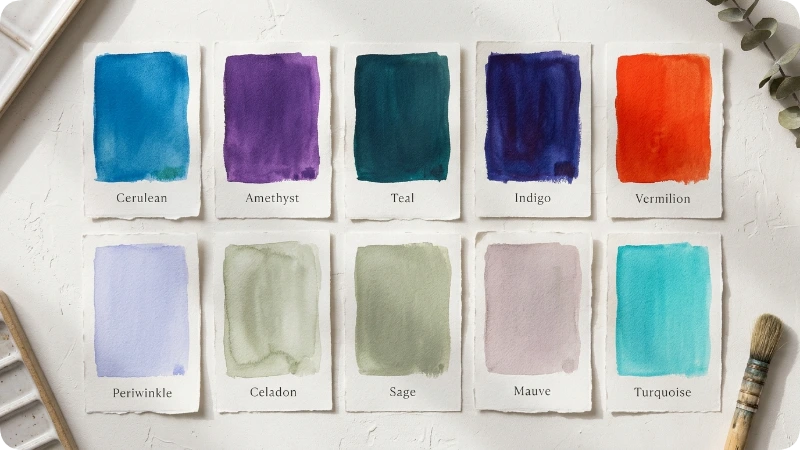
Some color names sound almost enchanted. Many are inspired by gemstones, minerals, flowers, and unusual natural shades. These choices work particularly well for fantasy characters, magical creatures, fictional places, and imaginative usernames.
11. Amethyst
Amethyst is a violet variety of quartz that has been used in jewelry and decorative objects throughout history.
- Color: Violet to purple.
- Origin: Greek-derived gemstone name.
- Pronunciation: AM-uh-thist.
- Vibe: Magical, elegant, and mysterious.
- Best use: Sorceresses, fantasy kingdoms, and mystical usernames.
12. Cerulean
Cerulean describes a clear, deep sky-blue shade. The word has Latin roots and is associated with the color of the sky.
- Color: Bright sky blue.
- Origin: Latin caeruleus, associated with blue or sky-blue.
- Pronunciation: suh-ROO-lee-uhn.
- Vibe: Dreamy, peaceful, and celestial.
- Best use: Sky kingdoms, magical characters, and artistic projects.
13. Celadon
Celadon is a pale, muted green color associated with traditional glazed ceramics, particularly those produced in East Asia.
- Color: Soft gray-green.
- Origin: Named after the celadon ceramic tradition.
- Pronunciation: SEL-uh-don.
- Vibe: Ancient-looking, refined, and peaceful.
- Best use: Fantasy gardens, elegant characters, and nature-inspired designs.
14. Opal
Opal is inspired by the gemstone known for its beautiful color play. Depending on the stone, it may display flashes of blue, green, pink, orange, and other colors.
- Color: Milky white with shifting iridescent colors.
- Origin: Gemstone name.
- Pronunciation: OH-puhl.
- Vibe: Dreamy, delicate, and enchanting.
- Best use: Magical creatures, fantasy characters, and usernames.
15. Periwinkle
Periwinkle is a soft shade between blue and purple. Its name comes from the flowering plant with the same common name.
- Color: Pale blue-violet.
- Origin: Periwinkle plant name.
- Pronunciation: PER-ih-wing-kuhl.
- Vibe: Whimsical, gentle, and imaginative.
- Best use: Fairy characters, magical pets, and soft aesthetic usernames.
16. Moonstone
Moonstone is a gemstone known for its distinctive optical glow, which can create a floating light effect across its surface.
- Color: Often translucent or milky, with blue or white sheen.
- Origin: Gemstone name.
- Vibe: Celestial, mysterious, and elegant.
- Best use: Moon-inspired fantasy worlds and magical characters.
17. Lapis Lazuli
Lapis lazuli is a deep blue metamorphic rock historically valued for jewelry and pigments. Ground lapis was used to produce the famous pigment ultramarine.
- Color: Rich royal blue, often with golden pyrite flecks.
- Origin: Latin and Persian-derived mineral terminology.
- Pronunciation: LAP-iss LAZ-yoo-lee.
- Vibe: Regal, artistic, and mysterious.
- Best use: Ancient-inspired characters, magical artifacts, and fantasy settings.
18. Iris
Iris is a flower name that is also associated with the Greek word for rainbow. The flower genus includes varieties in purple, blue, yellow, and other colors.
- Color: Often associated with violet and blue shades.
- Origin: Greek.
- Pronunciation: EYE-ris.
- Vibe: Graceful, mystical, and natural.
- Best use: Fantasy characters, magical gardens, and elegant usernames.
19. Aquamarine
Aquamarine is a blue-green gemstone belonging to the beryl mineral family. Its name comes from Latin words meaning water and sea.
- Color: Pale blue to blue-green.
- Origin: Latin.
- Pronunciation: AK-wuh-muh-reen.
- Vibe: Oceanic, peaceful, and magical.
- Best use: Mermaid characters, sea kingdoms, and fantasy creatures.
20. Amaranth
Amaranth is a reddish-purple color named after plants in the genus Amaranthus.
- Color: Rich reddish pink or purple-red.
- Origin: Greek-derived plant name.
- Pronunciation: AM-uh-ranth.
- Vibe: Unusual, artistic, and mysterious.
- Best use: Fantasy characters, creative usernames, and imaginative worlds.
Elegant and Royal Color Names
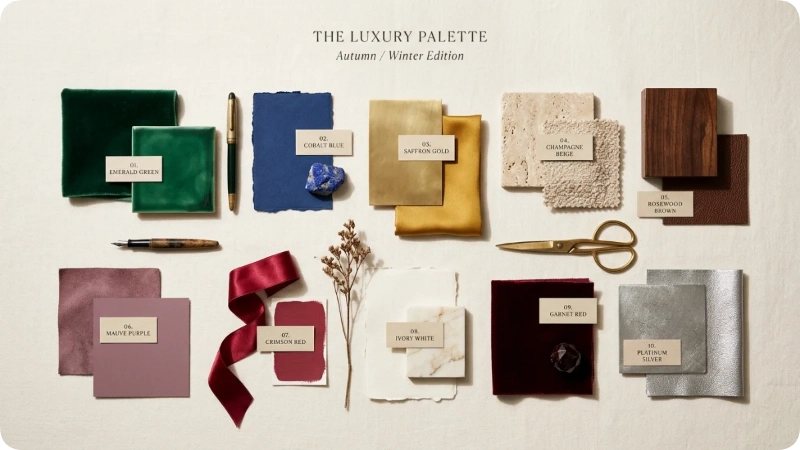
If you prefer names that sound sophisticated, graceful, and timeless, elegant color names offer plenty of inspiration. Many are associated with precious materials, historic dyes, luxury fabrics, and gemstones.
21. Emerald
Emerald is a vivid green color inspired by the precious green variety of beryl.
- Color: Rich green.
- Origin: Gemstone name with Greek roots.
- Pronunciation: EM-uh-ruhld.
- Vibe: Royal, luxurious, and confident.
- Best use: Noble characters, fantasy royalty, and elegant designs.
22. Cobalt
Cobalt is a strong blue color associated with the element cobalt and pigments made from cobalt compounds.
- Color: Intense medium-to-deep blue.
- Origin: German Kobold, a word associated with a goblin or mischievous spirit in mining folklore.
- Pronunciation: KOH-bawlt.
- Vibe: Bold, confident, and striking.
- Best use: Warriors, futuristic characters, and gaming identities.
23. Saffron
Saffron is a golden yellow-orange shade inspired by the valuable spice obtained from the flower Crocus sativus.
- Color: Warm golden yellow.
- Origin: The saffron spice.
- Pronunciation: SAF-ruhn.
- Vibe: Warm, rich, and distinctive.
- Best use: Royal characters, sun-inspired worlds, and artistic designs.
24. Champagne
Champagne is a soft pale gold or beige color inspired by the sparkling wine associated with the Champagne region of France.
- Color: Pale golden beige.
- Origin: Champagne, France.
- Pronunciation: sham-PAYN.
- Vibe: Refined, luxurious, and graceful.
- Best use: Elegant branding, sophisticated characters, and modern usernames.
25. Rosewood
Rosewood describes a deep reddish-brown shade inspired by the richly colored wood of several tropical tree species.
- Color: Dark reddish brown.
- Origin: Rosewood timber.
- Vibe: Vintage, luxurious, and warm.
- Best use: Artistic identities, fantasy royalty, and sophisticated designs.
26. Mauve
Mauve is a soft purple color that became especially notable after the development of the first widely commercialized synthetic aniline dye in the nineteenth century.
- Color: Muted purple.
- Origin: French mauve, referring to the mallow flower.
- Pronunciation: MOHV.
- Vibe: Romantic, vintage, and elegant.
- Best use: Vintage characters, soft aesthetic usernames, and fashion projects.
27. Crimson
Crimson is a rich red color historically associated with valuable red dyes and luxurious fabrics.
- Color: Deep, vivid red.
- Origin: A word with a history linked to medieval dye terminology.
- Pronunciation: KRIM-zuhn.
- Vibe: Powerful, royal, and dramatic.
- Best use: Royal warriors, fantasy houses, and bold identities.
28. Ivory
Ivory is a soft white or creamy color named after the hard material historically obtained from the tusks of certain animals.
- Color: Warm off-white.
- Origin: Ivory material.
- Vibe: Elegant, timeless, and delicate.
- Best use: Royal characters, minimalist aesthetics, and refined designs.
29. Garnet
Garnet is inspired by a group of minerals that includes deep red varieties as well as green, orange, and other colors.
- Color: Commonly associated with dark red.
- Origin: Gemstone name, historically connected with seed-like red garnet varieties.
- Pronunciation: GAR-nit.
- Vibe: Rich, strong, and sophisticated.
- Best use: Fantasy warriors, gemstone-inspired characters, and usernames.
30. Platinum
Platinum is a metallic silver-white color inspired by the precious chemical element.
- Color: Cool metallic silver-white.
- Origin: Spanish platina, meaning a small amount of silver.
- Pronunciation: PLAT-uh-num.
- Vibe: Modern, luxurious, and futuristic.
- Best use: Sci-fi characters, premium brands, and gaming identities.
Soft, Cute, and Aesthetic Color Names
Not every cool color needs to feel powerful or mysterious. Some names have a gentle, playful personality that makes them ideal for creative usernames, pets, characters, and aesthetic projects.
31. Lavender
Lavender is a light purple color named after the fragrant flowering plant.
- Color: Pale purple.
- Origin: Lavender plant.
- Pronunciation: LAV-uhn-der.
- Vibe: Gentle, dreamy, and peaceful.
- Best use: Fairy characters, cute usernames, and soft designs.
32. Peach
Peach is a warm, light orange-pink shade inspired by the skin of the peach fruit.
- Color: Soft orange-pink.
- Origin: Peach fruit.
- Vibe: Sweet, friendly, and cheerful.
- Best use: Cute pet names, aesthetic usernames, and playful characters.
33. Coral
Coral is a warm shade that combines pink and orange influences. Its name comes from marine organisms that produce hard skeletal structures.
- Color: Pinkish orange.
- Origin: Coral organisms.
- Pronunciation: KOR-uhl.
- Vibe: Bright, lively, and tropical.
- Best use: Ocean-themed characters, summer projects, and creative identities.
34. Lilac
Lilac is a pale purple shade named after the flowering lilac shrub.
- Color: Light purple.
- Origin: Lilac flower.
- Pronunciation: LYE-lak.
- Vibe: Sweet, gentle, and romantic.
- Best use: Fairy names, pet identities, and soft aesthetic projects.
35. Buttercup
Buttercup is a bright yellow color inspired by the familiar flowering plant.
- Color: Cheerful yellow.
- Origin: Buttercup flower.
- Vibe: Sunny, playful, and friendly.
- Best use: Cute characters, pets, and nature-themed usernames.
36. Seafoam
Seafoam is a pale greenish-blue shade inspired by the foam that forms on ocean waves.
- Color: Light blue-green.
- Origin: Natural descriptive color name.
- Vibe: Fresh, breezy, and peaceful.
- Best use: Mermaid characters, ocean-inspired designs, and usernames.
37. Blush
Blush is a soft pink shade associated with the natural reddish color that can appear on the cheeks.
- Color: Pale pink.
- Origin: English descriptive word.
- Vibe: Romantic, delicate, and sweet.
- Best use: Cute usernames, character aesthetics, and fashion projects.
38. Pistachio
Pistachio is a pale green shade inspired by the color of the pistachio nut.
- Color: Light yellow-green.
- Origin: Pistachio nut.
- Pronunciation: pis-TAH-shee-oh.
- Vibe: Fresh, playful, and natural.
- Best use: Nature-themed characters and creative projects.
39. Cotton Candy
Cotton Candy describes a soft pastel pink or blue shade inspired by the familiar sugary confection.
- Color: Usually pale pink or pastel blue.
- Origin: Modern descriptive name based on the confection.
- Vibe: Whimsical, nostalgic, and playful.
- Best use: Cute gaming identities, fictional characters, and pastel aesthetics.
40. Lemon Chiffon
Lemon Chiffon is a very light yellow shade associated with the pale color of lemon-flavored chiffon fabric or desserts.
- Color: Soft, creamy yellow.
- Origin: Descriptive color terminology.
- Vibe: Delicate, bright, and cheerful.
- Best use: Spring-inspired projects and gentle aesthetic usernames.
Vibrant and Unusual Color Names
Some color names stand out because of their unusual shades and energetic personalities. These colors are ideal when you want something memorable rather than a familiar everyday color.
41. Vermilion
Vermilion is a vivid red-orange pigment historically produced from the mineral cinnabar, although modern versions may use other pigments.
- Color: Bright red-orange.
- Origin: Historical pigment terminology.
- Pronunciation: ver-MIL-yuhn.
- Vibe: Fiery, artistic, and bold.
- Best use: Fantasy warriors, creative brands, and dramatic characters.
42. Turquoise
Turquoise is a blue-green color named after the gemstone traditionally associated with the same name.
- Color: Blue-green.
- Origin: Gemstone name, historically transmitted through French terminology.
- Pronunciation: TUR-kwoyz.
- Vibe: Tropical, refreshing, and vibrant.
- Best use: Ocean-themed characters, creative usernames, and summer designs.
43. Tangerine
Tangerine is a bright orange shade inspired by the citrus fruit.
- Color: Vivid orange.
- Origin: Tangerine fruit.
- Pronunciation: TAN-juh-reen.
- Vibe: Energetic, cheerful, and adventurous.
- Best use: Playful characters, summer projects, and colorful usernames.
44. Electric Blue
Electric Blue is a highly saturated, intense blue shade that appears especially vivid in digital displays.
- Color: Bright, intense blue.
- Origin: Modern descriptive color name.
- Vibe: Futuristic, energetic, and confident.
- Best use: Sci-fi characters, gaming profiles, and digital designs.
45. Chartreuse
Chartreuse is a vivid yellow-green color named after the French liqueur Chartreuse.
- Color: Yellow-green.
- Origin: French liqueur name.
- Pronunciation: shar-TROOZ.
- Vibe: Unusual, bold, and energetic.
- Best use: Fantasy creatures, artistic projects, and distinctive usernames.
46. Fuchsia
Fuchsia is a vivid pink-purple color named after the flowering plant genus Fuchsia.
- Color: Bright pink-purple.
- Origin: Named after botanist Leonhart Fuchs.
- Pronunciation: FYOO-shuh.
- Vibe: Playful, expressive, and vibrant.
- Best use: Fashion identities, colorful characters, and creative usernames.
47. Marigold
Marigold is a rich golden-yellow to orange color inspired by the flowering plants commonly called marigolds.
- Color: Golden yellow-orange.
- Origin: Marigold flower.
- Vibe: Warm, cheerful, and sunny.
- Best use: Nature-inspired characters and colorful projects.
48. Ultramarine
Ultramarine is a deep blue pigment historically made from lapis lazuli. It was highly valued in European painting because of its rich color and costly production.
- Color: Deep, vivid blue.
- Origin: Historical pigment terminology.
- Pronunciation: UL-truh-muh-reen.
- Vibe: Artistic, majestic, and mysterious.
- Best use: Fantasy royalty, magical objects, and creative identities.
49. Ochre
Ochre is an earthy color produced by natural pigments containing iron oxides. It can range from yellow to reddish brown.
- Color: Earthy yellow, orange, or brown.
- Origin: Natural mineral pigment.
- Pronunciation: OH-ker.
- Vibe: Rustic, ancient-looking, and grounded.
- Best use: Historical fantasy worlds, desert settings, and artistic projects.
50. Viridian
Viridian is a deep, transparent green pigment developed during the nineteenth century.
- Color: Cool blue-green.
- Origin: Modern pigment terminology, from Latin viridis, meaning green.
- Pronunciation: vuh-RID-ee-uhn.
- Vibe: Refined, natural, and mysterious.
- Best use: Forest characters, fantasy locations, and artistic usernames.
More Unique and Cool Color Names
If you want something less familiar, these additional names offer a wider range of shades and creative inspiration.
| No. | Color Name | Color Description | Overall Personality |
| 51 | Ecru | Pale beige | Natural and understated |
| 52 | Sepia | Reddish brown | Vintage and nostalgic |
| 53 | Taupe | Grayish brown | Neutral and elegant |
| 54 | Azure | Bright sky blue | Fresh and celestial |
| 55 | Ecru Rose | Muted pink-beige | Soft and romantic |
| 56 | Fern | Natural green | Earthy and peaceful |
| 57 | Papaya Whip | Very pale orange | Warm and playful |
| 58 | Sienna | Earthy reddish brown | Artistic and grounded |
| 59 | Prussian Blue | Deep blue | Historic and dramatic |
| 60 | Eggplant | Dark purple | Bold and mysterious |
These descriptions refer to general color families. Exact shades can differ between paint systems, digital palettes, and manufacturers.
The History and Cultural Inspiration Behind Color Names
Color names are more than attractive words. Many have fascinating connections to natural materials, historical trade, languages, art, and cultural traditions.
Understanding these connections can help you appreciate why certain color names sound so distinctive.
Gemstones and Minerals
Some of the most recognizable color names come from gemstones and minerals.
Amethyst, Emerald, Garnet, Turquoise, and Aquamarine are examples. Their names connect colors with natural materials that have been valued in jewelry, decoration, and art.
Lapis Lazuli is another interesting example. This deep-blue stone was historically used to create ultramarine pigment, which became an important color in European painting.
Plants and Flowers
Nature has inspired countless color names.
Lavender, Lilac, Sage, Coral, Marigold, and Periwinkle are connected to plants, flowers, or natural organisms.
These names often sound softer and more familiar because they are associated with things people can recognize in the natural world.
Historical Pigments and Artistic Traditions
Some color names have a direct connection to painting and pigment production.
Vermilion, Ochre, Ultramarine, and Viridian are especially interesting examples.
Their histories show how artists once relied on minerals, plants, and specialized production techniques to create colors that are now widely available in modern paints and digital design.
Geographic and Cultural Connections
Other colors are named after geographic regions or cultural products.
Burgundy, for example, takes its name from a French region associated with wine. Champagne is also geographically connected to France.
Celadon is associated with a ceramic tradition particularly important in East Asian art and craftsmanship.
These connections make color names useful for creative projects that need a recognizable historical or geographical reference. However, a color’s name alone should not be treated as proof of a particular cultural meaning.
How to Choose the Perfect Cool Color Name
With so many beautiful options, choosing one can be difficult. The best name depends on your purpose, personality, and the feeling you want to communicate.
Here are some practical ways to narrow down your choices.
1. Match the Name to Your Desired Personality
Think about the impression you want the color name to create.
- Powerful: Crimson, Onyx, Cobalt, and Obsidian.
- Mysterious: Midnight Blue, Raven, Mulberry, and Amethyst.
- Elegant: Champagne, Mauve, Emerald, and Ivory.
- Cute: Peach, Lilac, Buttercup, and Blush.
- Magical: Moonstone, Opal, Cerulean, and Periwinkle.
- Energetic: Vermilion, Tangerine, Fuchsia, and Electric Blue.
This simple approach makes it easier to find a name that matches your creative vision.
2. Consider Your Intended Use
A color name that works beautifully for a fantasy character might not be suitable for a professional brand.
For example:
- Fantasy characters: Amethyst, Obsidian, Viridian, and Crimson.
- Gaming usernames: Cobalt, Raven, Onyx, and Ultramarine.
- Pets: Peach, Coral, Buttercup, and Sage.
- Creative brands: Cerulean, Celadon, Champagne, and Saffron.
- Fantasy locations: Midnight Blue, Emerald, Moonstone, and Azure.
- Art and design projects: Vermilion, Ochre, Mauve, and Prussian Blue.
Choose something that feels natural in the environment where it will appear.
3. Think About Pronunciation and Spelling
Some color names are easy to pronounce, while others are less familiar.
Names such as Peach, Coral, Sage, and Crimson are straightforward. Others, including Cerulean, Chartreuse, and Ultramarine, may require a little practice.
If you are choosing a username or character name, consider whether people will be able to remember and pronounce it.
4. Look Beyond Common Colors
If uniqueness is important, avoid limiting yourself to familiar words such as Red, Blue, Green, and Pink.
Instead, explore distinctive shades such as:
- Celadon
- Viridian
- Amaranth
- Periwinkle
- Chartreuse
- Vermilion
- Ultramarine
- Cerulean
These names offer more personality while still referring to recognizable colors.
5. Consider Nickname Potential
Longer color names can sometimes be shortened into memorable nicknames.
For example:
| Full Color Name | Possible Nickname |
| Amethyst | Amy |
| Cerulean | Ceri |
| Periwinkle | Peri |
| Aquamarine | Aqua |
| Ultramarine | Ultra |
| Tangerine | Tangie |
| Lavender | Lav |
| Vermilion | Vemi |
These are creative nickname suggestions rather than established traditional diminutives.
6. Make Sure the Name Fits Your Creative World
If you are creating a fantasy character, fictional kingdom, or RPG identity, consider the setting.
A character named Obsidian might suit a dark fantasy world, while Periwinkle could work better for a whimsical magical setting.
Similarly, Cerulean might fit an ocean kingdom, and Saffron could suit a warm desert-inspired world.
The best choice is one that feels like a natural part of the world you are building.
Frequently Asked Questions
What is the coolest color name?
There is no universally coolest color name, but Obsidian, Cerulean, Amethyst, Vermilion, and Ultramarine are distinctive choices. Each has a different personality, ranging from mysterious and dramatic to artistic and elegant.
What are some rare and unique color names?
Some less familiar color names include Celadon, Viridian, Chartreuse, Amaranth, Ochre, Periwinkle, and Vermilion. These names describe recognizable shades and have connections to minerals, plants, pigments, or historical terminology.
What are some aesthetic color names?
Beautiful aesthetic color names include Lavender, Mauve, Sage, Blush, Peach, Periwinkle, Seafoam, Champagne, and Celadon. These names are often associated with soft, natural, vintage, or pastel-inspired color palettes.
What are the best dark color names?
Some excellent dark color names include Onyx, Obsidian, Midnight Blue, Charcoal, Raven, Burgundy, Gunmetal, and Mulberry. They are suitable for dark-themed designs, fantasy characters, usernames, and dramatic creative projects.
What color names sound magical or fantasy-inspired?
Amethyst, Moonstone, Cerulean, Opal, Aquamarine, Periwinkle, and Lapis Lazuli have magical or otherworldly associations in modern creative naming. Their appeal comes from their gemstone, natural, and artistic connections rather than invented ancient meanings.
Can color names be used as character or username ideas?
Yes. Many color names make memorable character names and usernames. For example, Raven, Onyx, Crimson, Indigo, and Cobalt can suit bold identities, while Peach, Lilac, and Periwinkle work well for softer or playful aesthetics.
Conclusion
Cool color names offer much more than attractive descriptions of different shades. They connect creativity with nature, gemstones, art, history, and personal expression.
Ifyou love the mysterious appearance of Obsidian, the dreamy beauty of Periwinkle, the elegance of Champagne, or the vibrant energy of Vermilion, there is a color name for almost every personality and creative idea.
The best choice is not necessarily the rarest or most complicated name. It is the one that captures the feeling, atmosphere, or identity you want to express.
Explore different shades, experiment with combinations, and let these unique color names inspire your next creative project.

I am Alexander Reed, a passionate Fantasy and Mythology Names Researcher and Content Writer at NamesHorizon.com. I share creative and well-researched content on fantasy names, mythology, magical creatures, and naming inspiration, helping readers discover distinctive names for characters, stories, and fictional worlds.