Choosing a name can feel like choosing a small prayer for someone’s future.
An Islamic name may carry the memory of a prophet, the beauty of a virtue, the strength of a respected historical figure, or a meaning parents hope their child will grow into. Some names feel timeless and deeply traditional, while others sound fresh, elegant, and perfectly at home in the modern world.
That is what makes choosing among Islamic names so meaningful. You are not simply looking for a beautiful sound. You may also be thinking about Arabic origin, Quranic connections, Islamic history, pronunciation, meaning, cultural identity, uniqueness, and how the name will feel years from now.
This guide brings together meaningful Islamic names for kids, children, along with modern, classic, rare, spiritual, royal, soft, and powerful choices. Rather than treating names as a simple list, the goal is to help you discover the personality and feeling behind each one.
Featured Snippet:
Beautiful Islamic names include Muhammad, Abdullah, Ibrahim, Yusuf, Rayyan, Zayn, Aisha, Maryam, Fatima, Khadijah, Noor, Inaya, and Zahra. The best choice depends on the meaning, cultural background, pronunciation, religious significance, and the emotional quality a family wants the name to carry.
Quick Guide to Islamic Names
| Naming style | Examples |
| Quranic and spiritual | Maryam, Yusuf, Ibrahim, Musa |
| Traditional boys’ names | Muhammad, Abdullah, Hamza, Umar |
| Traditional girls’ names | Aisha, Fatima, Khadijah, Hafsa |
| Modern and stylish | Zayn, Rayyan, Ayan, Inaya |
| Soft and elegant | Noor, Huda, Sana, Lina |
| Strong and powerful | Hamza, Khalid, Malik, Zubair |
| Rare-feeling choices | Isra, Rania, Safwan, Lubaba |
| Nature-inspired | Areej, Wardah, Rayyan, Zahra |
Beautiful Islamic Names for Boys

Many Islamic boys’ names combine spiritual depth with a strong, memorable sound. Some are associated with prophets and revered historical figures, while others express qualities such as courage, wisdom, faith, and generosity.
Muhammad
Muhammad is one of the most important names in Islam and is associated with the Prophet Muhammad ﷺ.
- Meaning: Praiseworthy; often praised
- Origin: Arabic
- Gender: Boy
- Pronunciation: moo-HAM-mad
- Religious relevance: Profound Islamic significance
- Vibe: Reverent, timeless, dignified
- Aesthetic: Classic and spiritual
- Modern feel: Traditional but globally familiar
The name carries exceptional religious importance and remains deeply respected across Muslim communities worldwide. Common related forms include Mohammad, Mohammed, and Muhammad, depending on language and transliteration preferences.
Abdullah
Abdullah means “servant of Allah” and has a deeply devotional meaning.
It feels humble, traditional, and spiritually grounded. For families seeking a name with an unmistakable connection to Islamic belief, Abdullah is one of the clearest choices.
- Meaning: Servant of Allah
- Origin: Arabic
- Pronunciation: ab-dul-LAH
- Vibe: Faithful, humble, sincere
- Similar names: Abdulrahman, Abdulaziz
Ibrahim
Ibrahim is the Arabic form of Abraham and is the name of a major prophet recognized in Islam.
It feels strong yet gentle, historical yet completely usable in the modern world.
- Meaning: Traditionally connected with Abraham; the exact ancient etymology is discussed across linguistic traditions
- Origin: Arabic form of a widely shared Abrahamic name
- Religious relevance: Prophet Ibrahim is highly significant in Islam
- Vibe: Wise, noble, steadfast
- Similar names: Ismail, Ishaq, Yusuf
Yusuf
Yusuf is the Arabic form of Joseph and is associated with the Prophet Yusuf.
The name has a particularly beautiful emotional atmosphere because the Quranic story of Yusuf is associated with patience, hardship, integrity, and eventual honor.
- Meaning: Traditional etymology is linked to “God increases” or “God will add”
- Origin: Arabic form of a Semitic name
- Pronunciation: YOO-suf
- Vibe: Gentle, handsome, thoughtful
- Aesthetic: Classic, literary, spiritual
Rayyan
Rayyan is a popular modern Muslim name with strong Islamic associations. In Islamic tradition, Ar-Rayyan is associated with a gate of Paradise for those who fast.
The name also has a fresh, smooth sound, which explains its appeal to families seeking a name that feels both spiritual and contemporary.
- Meaning: Commonly associated with well-watered, luxuriant, or quenched
- Origin: Arabic
- Pronunciation: RAY-yan
- Vibe: Fresh, blessed, modern
- Aesthetic: Contemporary and spiritual
- Similar names: Rayan, Riyan
Zayn
Zayn means beauty or adornment and has an elegant, minimalist sound.
It is short, international, easy to pronounce in many languages, and particularly appealing to families who prefer modern names with Arabic roots.
- Meaning: Beauty, grace, adornment
- Origin: Arabic
- Pronunciation: ZAYN
- Vibe: Stylish, confident, refined
- Aesthetic: Modern luxury and minimalist
- Similar names: Zain, Zaynab
Hamza
Hamza is a classic Arabic name with strong Islamic historical associations.
It feels bold and energetic without being harsh. The name is especially associated with courage and strength in popular cultural memory.
- Meaning: Traditionally associated with strength and lion-like qualities in Arabic naming interpretations
- Origin: Arabic
- Pronunciation: HAM-zah
- Religious relevance: Strong historical significance in early Islamic history
- Vibe: Brave, powerful, determined
Umar
Umar is a traditional Arabic name with major historical significance in Islam.
Its short structure gives it a clean, dignified quality, while its history gives it considerable depth.
- Meaning: Commonly associated with life, flourishing, or long-lived
- Origin: Arabic
- Pronunciation: OO-mar or OH-mar, depending on regional usage
- Vibe: Strong, wise, authoritative
Malik
Malik is an Arabic name meaning “king” or “ruler.”
It has an immediately powerful sound and works especially well for families looking for a name with confidence and presence.
- Meaning: King, ruler
- Origin: Arabic
- Pronunciation: MAH-lik
- Vibe: Regal, confident, commanding
- Aesthetic: Royal and powerful
- Similar names: Malek
Beautiful Islamic Names for Girls

Islamic girls’ names often combine softness with remarkable strength. Many carry associations with faith, purity, wisdom, beauty, dignity, or important women in Islamic history.
Maryam
One of the most significant female names in Islam, Maryam is honored in the Quran, and Surah Maryam is named after her.
- Meaning: The exact etymology is debated across ancient linguistic traditions
- Origin: Arabic form of a widely shared Semitic name
- Religious relevance: Exceptionally significant in Islam
- Pronunciation: MAR-yam or MARY-am
- Vibe: Pure, graceful, devoted
- Aesthetic: Timeless and spiritual
For parents seeking a name with deep religious meaning and enduring elegance, Maryam is a beautiful choice.
Aisha
Aisha is traditionally interpreted as “living” or “alive.”
The name is strongly associated with Aisha bint Abu Bakr, an important figure in Islamic history and scholarship.
- Meaning: Living, alive
- Origin: Arabic
- Pronunciation: EYE-sha or AY-sha
- Religious relevance: Major historical Islamic significance
- Vibe: Intelligent, lively, graceful
- Similar names: Ayesha, Aysha
Fatima
Fatima is one of the most revered names in Islamic history through Fatimah al-Zahra, the daughter of the Prophet Muhammad ﷺ.
- Meaning: Traditionally connected with abstaining or being one who refrains; interpretations and naming explanations vary
- Origin: Arabic
- Pronunciation: FAH-ti-mah
- Religious relevance: Exceptionally important
- Vibe: Dignified, gentle, strong
- Aesthetic: Classic and deeply traditional
Khadijah
Khadijah is associated with Khadijah bint Khuwaylid, the first wife of the Prophet Muhammad ﷺ and a highly respected figure in Islamic history.
The name feels dignified, historic, and powerful.
- Origin: Arabic
- Pronunciation: kha-DEE-jah, with regional variation
- Religious relevance: Profound historical significance
- Vibe: Wise, strong, noble
- Aesthetic: Heritage and timeless elegance
Noor
Noor means “light” and is one of the most beautiful short Islamic names.
It has a gentle, luminous quality and works across many cultures and languages.
- Meaning: Light
- Origin: Arabic
- Pronunciation: NOOR
- Gender: Used for both kids and children in many Muslim cultures
- Vibe: Peaceful, radiant, graceful
- Aesthetic: Celestial and minimalist
- Similar names: Nur, Noura, Noora
Inaya
Inaya is commonly associated with care, concern, protection, or divine care depending on the linguistic interpretation and usage.
The name feels soft and modern while retaining a distinctly Arabic identity.
- Pronunciation: in-EYE-ah or i-NAH-yah, depending on regional usage
- Vibe: Gentle, caring, elegant
- Aesthetic: Modern and feminine
- Similar names: Anaya, Inayah
Zahra
Zahra is associated with brightness, radiance, or flowers depending on the linguistic context and interpretation.
It feels feminine, luminous, and beautifully traditional.
- Meaning: Often associated with radiant, bright, or flower-like meanings
- Origin: Arabic
- Pronunciation: ZAH-rah
- Vibe: Bright, graceful, elegant
- Aesthetic: Floral and celestial
- Similar names: Zahrah, Zahraa
Huda
Huda means guidance.
Its meaning gives it a particularly strong spiritual quality, while its short sound makes it simple and memorable.
- Meaning: Guidance
- Origin: Arabic
- Pronunciation: HOO-dah
- Vibe: Peaceful, wise, spiritually grounded
- Aesthetic: Minimalist and spiritual
Quranic and Spiritually Meaningful Islamic Names

Not every Arabic name is automatically a Quranic name, and not every popular Muslim name appears directly in the Quran. This distinction matters when choosing a name.
Boys
- Adam — A prophet’s name in Islam
- Nuh — Arabic form of Noah
- Hud — Name of a prophet
- Salih — Associated with the Prophet Salih; also connected with righteousness or goodness
- Musa — Arabic form of Moses
- Isa — Arabic name for Jesus in Islamic tradition
- Yunus — Arabic form of Jonah
- Ayyub — Arabic form of Job
- Dawud — Arabic form of David
- Sulaiman — Arabic form of Solomon
Girls
- Maryam — A major Quranic female figure
- Huda — Guidance
- Rahma — Mercy
- Ayah — Sign or verse, depending on context
- Jannah — Paradise or garden in Islamic vocabulary
- Safa — Associated with purity and the sacred site of Safa
- Marwa — Associated with the sacred hill of Marwah
- Tasneem — Associated with a spring or fountain in Paradise in Quranic description
For families specifically searching for Quranic baby names, it is worth checking whether a name is directly mentioned in the Quran, connected to a prophet or historical figure, or simply an Arabic name commonly used by Muslims. These are related but not identical categories.
Modern Islamic Names With Stylish Appeal
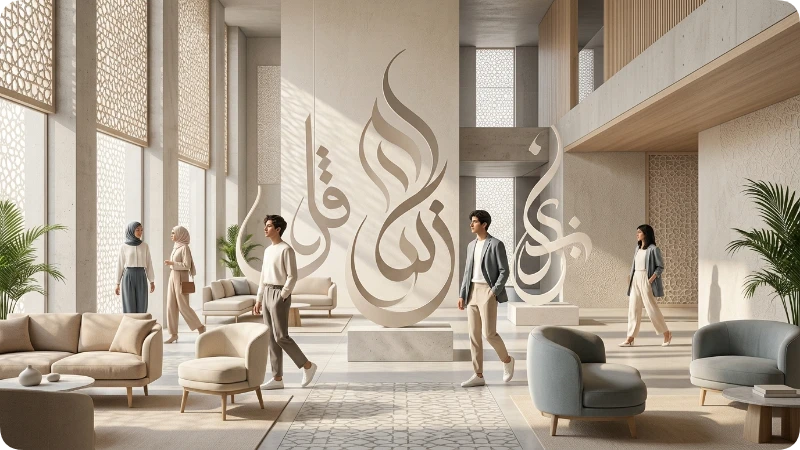
Modern Muslim parents often want names that preserve cultural or religious identity while feeling easy to use internationally.
Boys
Ayan — Short, contemporary, and popular across several cultural contexts. Its exact meaning and linguistic origin can vary by naming tradition, so families should verify the intended interpretation.
Zayn — Minimalist, elegant, and associated with beauty.
Rayyan — Spiritual and modern, with strong Islamic associations.
Aariz — A contemporary-sounding Arabic name with varying interpretations depending on source and transliteration.
Rayan — A widely used variant of Rayyan, though transliteration and meaning explanations can vary.
Girls
Inaya — Soft, caring, and modern.
Ayla — Used across multiple linguistic traditions; families should confirm the intended cultural origin and meaning.
Hana — A simple, internationally accessible name with different meanings across languages.
Lina — Used across multiple cultures and linguistic traditions, including Arabic contexts.
Areeba — A graceful Arabic name commonly associated with intelligence or wisdom in modern naming references.
The most important thing with modern names is to verify the intended meaning rather than relying solely on social media lists. A name can look beautifully Arabic online while having multiple spellings, disputed meanings, or different origins.
Strong and Powerful Islamic Names

Some names immediately create an impression of courage, leadership, and confidence.
Boys
- Hamza — Bold and historically significant
- Khalid — Traditionally associated with enduring or everlasting
- Malik — King or ruler
- Faris — Knight or horseman
- Saif — Sword
- Zubair — A traditional Arabic name with important Islamic historical associations
- Asad — Lion
- Qasim — Traditionally associated with one who distributes or shares
Girls
- Aziza — Powerful, respected, or precious depending on interpretation
- Amira — Princess or female leader
- Malika — Queen
- Khadijah — Deeply associated with strength, dignity, and historical importance
- Sumayyah — A highly respected early Muslim figure
- Nusaybah — Associated with an important woman in early Islamic history
These names can be especially appealing when parents want a name that feels feminine or masculine without being overly delicate or aggressive.
Soft, Elegant, and Beautiful Islamic Names
For a gentle, lyrical, or graceful aesthetic, consider names with flowing sounds and luminous meanings.
Girls
- Noor — Light
- Huda — Guidance
- Sana — Meaning can vary by linguistic context; often associated with radiance or brilliance in Arabic usage
- Lina — Used in multiple cultural and linguistic traditions
- Amani — Wishes or aspirations
- Rania — A name with multiple interpretations and linguistic associations
- Areej — Fragrance or perfume
- Safa — Purity or clarity in relevant Arabic usage
- Maha — Traditionally associated with the oryx and, in poetic Arabic usage, beautiful eyes
These names suit families drawn to a soft girl aesthetic, quiet luxury, floral imagery, celestial themes, and elegant minimalism.
Islamic Names Inspired by Nature, Light, and Beauty
Some of the most visually beautiful Muslim names draw on natural imagery.
- Noor — Light
- Zahra — Radiance or flower-associated interpretations
- Areej — Fragrance
- Wardah — Rose
- Rayhan — A fragrant plant or basil in Arabic usage
- Shams — Sun
- Qamar — Moon
- Badr — Full moon
- Safa — Purity and a sacred place in Islamic tradition
- Tasneem — A name associated with a spring or fountain of Paradise in Quranic description
These names are particularly popular with families who want a name that feels poetic without becoming overly complicated.
Traditional Lucky and Numerology Associations
Some families enjoy exploring symbolic traditions such as lucky numbers, colors, gemstones, days, or zodiac associations after choosing a name.
These associations are not universal Islamic teachings or scientific facts. They vary by numerology system, culture, and personal tradition.
| Name | Popular symbolic number | Color association | Gemstone association |
| Noor | 1 | White or gold | Diamond |
| Zayn | 6 | Blue | Sapphire |
| Maryam | 7 | White | Pearl |
| Rayyan | 3 | Green | Emerald |
| Aisha | 5 | Yellow | Citrine |
| Ibrahim | 8 | Green | Emerald |
Treat these as entertainment-based or symbolic interpretations rather than religious requirements. A name’s Islamic value is not determined by a lucky number, gemstone, zodiac sign, or color.
How to Choose the Right Islamic Name
The best name is usually found by balancing meaning with real-life usability.
Start with the meaning
Ask what you want the name to express:
- Faith
- Strength
- Mercy
- Beauty
- Wisdom
- Purity
- Light
- Courage
- Leadership
- Gratitude
A beautiful sound becomes even more meaningful when the underlying idea genuinely matters to your family.
Check the religious and cultural context
If you want a Quranic name, verify whether the name is directly mentioned in the Quran. If you want a name associated with Islamic history, check the historical figure connected with it.
This small distinction can prevent confusion between Arabic names, Quranic names, and names traditionally used by Muslims.
Say the full name aloud
A first name may sound perfect on its own but have an awkward rhythm with the family surname.
Try saying:
First name + middle name + surname
several times. Think about how teachers, relatives, and friends will naturally pronounce it.
Consider sibling compatibility
Names do not need to rhyme, but they often sound more harmonious when they share a similar level of style.
For example:
- Yusuf and Maryam — timeless and spiritual
- Rayyan and Inaya — modern and soft
- Hamza and Aisha — traditional and strong
- Zayn and Noor — short and minimalist
- Ibrahim and Khadijah — deeply traditional and historically significant
Think beyond current trends
A name may be popular on social media today but feel very different in ten or twenty years.
Ask whether you still love the name without the trend attached to it. Timeless names often have the strongest long-term appeal.
FAQs
What makes a name an Islamic name?
An Islamic name may be connected to Islamic religious tradition, a prophet, a respected historical figure, a Quranic concept, or a positive meaning acceptable within Islamic naming principles. Not every Muslim name is necessarily Arabic, and not every Arabic name is automatically a Quranic name.
What are the most beautiful Islamic names?
Popular beautiful choices include Maryam, Noor, Aisha, Zahra, Inaya, Yusuf, Rayyan, Zayn, Ibrahim, and Abdullah. The best option depends on whether you prefer a spiritual, traditional, modern, elegant, rare, or powerful feeling.
Which Islamic names are mentioned in the Quran?
Examples include names connected to prophets such as Adam, Nuh, Hud, Salih, Ibrahim, Musa, Isa, Yusuf, Yunus, Ayyub, Dawud, and Sulaiman. Maryam is also directly associated with a major Quranic figure and a Quranic chapter.
What are good modern Islamic names?
Modern choices include Zayn, Rayyan, Inaya, Ayan, Rayan, Areeba, Noor, and Zoya, although meanings and origins should be verified individually because some names have multiple linguistic interpretations or transliterations.
How do I choose an Islamic baby name?
Begin with the meaning and religious or cultural significance. Then consider pronunciation, spelling, family surname, sibling compatibility, regional usage, and whether the name will still feel meaningful beyond current naming trends.
Conclusion
The most meaningful Islamic names are often the ones that bring together several qualities at once: a beautiful sound, a meaningful history, cultural connection, and a feeling that genuinely resonates with the family choosing it.
Names such as Muhammad, Abdullah, Ibrahim, Yusuf, Maryam, Aisha, Fatima, and Khadijah carry deep historical and religious significance. Choices like Noor, Zayn, Rayyan, Inaya, and Zahra offer a more modern and lyrical appeal while still feeling culturally rooted.
If you prefer a powerful name, a soft and elegant choice, a Quranic name, a traditional Muslim name, or something modern and internationally easy to pronounce, the best name is one that feels more meaningful each time you say it.
A name can be a connection to faith, family, heritage, and hope. That is why choosing one is not simply about finding something beautiful. It is about finding a name that feels worthy of the story it will carry.

I am Nora Whitfield, a dedicated Name Researcher and Content Writer at NamesHorizon.com. I create well-researched content on name meanings, origins, trends, and naming inspiration, helping readers discover names that are both meaningful and memorable. nameshorizon.com