Choosing a name can be as simple as finding a word you love, but the right word can also carry a story, a feeling, or an entire personality. A single word like Haven can suggest safety, while Reverie evokes a dreamy, imaginative world. That is what makes word names so appealing: they can feel familiar and unexpected at the same time.
Whether you are naming a fictional character, creating a fantasy identity, choosing an online username, naming a group, or searching for an unusual name for a creative project, ordinary vocabulary offers endless inspiration. Words associated with nature, mythology, emotions, darkness, light, and royalty can become memorable names when they match the identity you want to create.
The trick is knowing which words work as names, which have established meanings or cultural histories, and which simply offer an attractive modern aesthetic. This collection brings those ideas together to help you find a word name that feels distinctive, meaningful, and right for your purpose.
Word Names at a Glance

Word names are words from everyday language, literature, nature, or specialized vocabulary that people use as names or naming inspiration. They can be real given names, creative character names, usernames, or invented fantasy identities.
| Naming style | Examples | Best suited for |
| Powerful | Valor, Triumph, Resolve | Heroes, leaders, strong characters |
| Dark and mysterious | Shadow, Eclipse, Obsidian | Gothic characters, fantasy identities |
| Mystical and magical | Oracle, Enigma, Rune | Wizards, RPG characters, magical worlds |
| Nature-inspired | Willow, Ember, River | Characters, pets, creative projects |
| Royal and noble | Majesty, Sovereign, Regalia | Monarchs, rulers, fantasy clans |
| Elegant and dreamy | Reverie, Serenity, Solace | Aesthetic usernames, fictional characters |
| Celestial | Nova, Solstice, Zenith | Space-themed characters and identities |
| Short and memorable | Echo, Rune, Fable | Gaming names, handles, character names |
| Emotional and symbolic | Haven, Grace, Promise | Meaningful identities and storytelling |
| Inventive and futuristic | Paradox, Nexus, Cipher | Sci-fi characters, RPGs, digital identities |
These categories describe the words’ associations and aesthetic appeal, not necessarily their historical use as personal names.
Powerful Word Names That Convey Strength

Powerful word names are ideal when you want a name to suggest courage, determination, authority, or an unshakable spirit. They work particularly well for fantasy protagonists, warriors, leaders, gaming identities, and characters who overcome difficult challenges.
1. Valor — Courage, especially in the face of danger. It suits a knight, protector, brave protagonist, or username built around courage.
2. Resolve — Firm determination. This name feels disciplined and quietly powerful, making it suitable for a strategic character or determined leader.
3. Triumph — A great victory or achievement. It suggests a character who has survived setbacks and emerged stronger.
4. Dominion — Authority, control, or territory. A commanding choice for an empire, faction, or powerful fantasy character.
5. Mettle — Spirit, courage, and resilience. This distinctive word suits a determined hero who refuses to give up.
6. Fortitude — Courage and strength in adversity. It is ideal for a steadfast guardian or survivor.
7. Glory — Honor, praise, or achievement. This word works for a legendary character, victorious team, or ambitious protagonist.
8. Might — Strength and power. Its compact form makes it effective as a warrior identity or dramatic title.
Dark and Mysterious Word Names
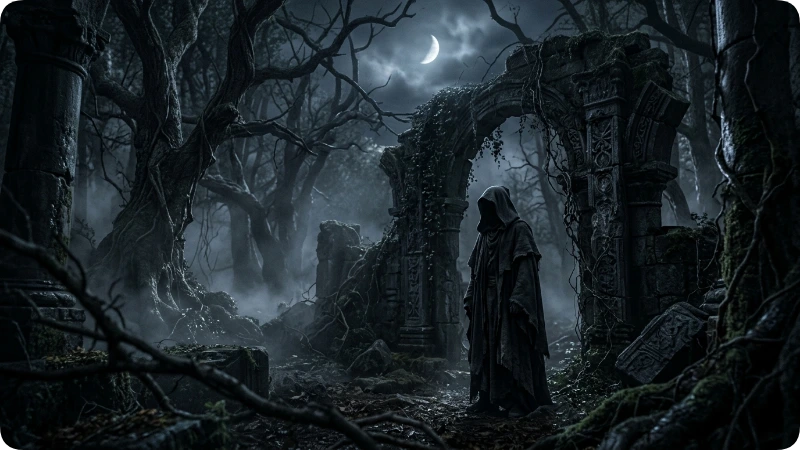
Dark word names are perfect for gothic fiction, supernatural characters, mysterious usernames, and fantasy worlds where atmosphere matters as much as meaning. Some evoke literal darkness, while others suggest secrecy, transformation, or the unknown.
9. Shadow — A dark area created when an object blocks light. As a name, it suggests secrecy, concealment, and a presence that is felt rather than seen.
10. Eclipse — An astronomical event in which one celestial body obscures another. It feels dramatic and cosmic, making it suitable for a powerful antagonist or supernatural character.
11. Obsidian — A naturally occurring volcanic glass, usually dark in appearance. Its polished, formidable aesthetic makes it a strong choice for dark fantasy warriors and magical artifacts.
12. Raven — A large black-feathered bird. Its associations with mystery and gothic storytelling make it a memorable choice for a literary character or dark username.
13. Void — An empty or unoccupied space. This compact word suits cosmic horror, dark fantasy, and otherworldly identities.
14. Phantom — An apparition or mysterious presence. It is ideal for supernatural characters, stealthy heroes, and ghostly beings.
15. Dusk — The transition from daylight to darkness. This understated name feels atmospheric and works well for twilight-themed characters.
16. Abyss — A deep or seemingly bottomless space. It is particularly effective for cosmic fantasy, mysterious villains, or ominous fictional locations.
Mystical and Magical Word Names
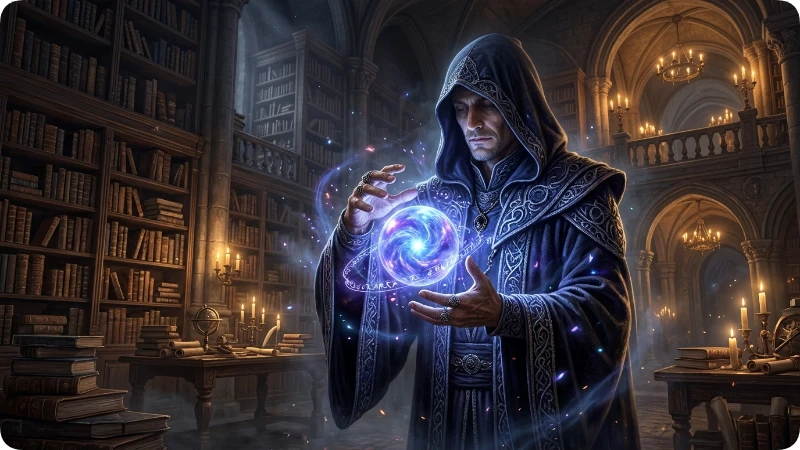
Mystical word names work beautifully for spellcasters, oracles, fantasy creatures, magical academies, and RPG characters. The most effective options either have a real connection to spiritual or magical traditions or create a sense of mystery through their sound and imagery.
17. Oracle — A person or source believed to provide divine guidance or predictions. It has historical connections to ancient Greek religious practices and suits a seer or keeper of hidden knowledge.
18. Rune — A character from a runic writing system. Runes have historical connections to Germanic languages and appear in various modern magical practices. The short name works well for a scholar-mage or fantasy companion.
19. Enigma — A mystery or something difficult to understand. This word suits an intelligent, elusive character or an enigmatic online identity.
20. Arcana — A word associated with secrets and mysterious knowledge, particularly in esoteric contexts. It is ideal for magical orders and lore-rich fantasy settings.
21. Mystic — A word associated with spiritual mystery or hidden knowledge. It is a natural fit for a magical character or supernatural identity.
22. Fable — A story that conveys a lesson, often through animals or imaginary events. It is a poetic choice for storytellers and imaginative characters.
23. Charm — An attractive quality or an object believed to offer protection or good fortune. It suits an enchanting character or a small magical creature.
24. Prophecy — A prediction or declaration about what may happen. This word is especially fitting for a seer, chosen hero, or destiny-driven storyline.
Royal and Noble Word Names

If your character rules a kingdom, leads a powerful clan, or carries an air of aristocratic elegance, royal word names offer immediate context. These choices can work as names, titles, faction names, or names for places within an imaginary realm.
25. Majesty — Royal dignity, grandeur, or impressive beauty. It feels ceremonial and commanding, making it suitable for a monarch or regal fantasy creature.
26. Sovereign — A supreme ruler or independent governing authority. This word conveys independence, authority, and self-possession.
27. Regalia — Emblems and ceremonial objects associated with royalty or office. Its polished quality makes it a good fit for royal houses, ceremonial organizations, or magical artifacts.
28. Crown — A traditional symbol of royal authority. It is short, direct, and commanding.
29. Empire — A group of territories under a central sovereign authority. It works well for worldbuilding, powerful clans, and ambitious characters.
30. Legacy — Something handed down from the past. This name is particularly fitting for heirs, dynasties, and characters shaped by family history.
31. Noble — Suggests high moral character or aristocratic status. It suits an honorable knight or principled leader.
32. Prestige — Recognized respect or high standing. This is an elegant choice for an elite team, guild, or fictional institution.
Elegant and Dreamy Word Names
Elegant word names have a softer appeal. They can suggest peace, beauty, imagination, and emotional depth without sounding overly dramatic. Consider them for literary characters, aesthetic usernames, gentle fantasy beings, and creative identities that need a graceful touch.
33. Reverie — A state of pleasant, dreamlike thought. Its flowing sound makes it a lovely option for a poetic username, dream-themed character, or imaginative fantasy realm.
34. Serenity — Calmness and peacefulness. It communicates balance and quiet confidence, making it suitable for gentle characters and peaceful settings.
35. Solace — Comfort during sadness or distress. This word carries emotional depth and works well for a healer, protector, or comforting companion.
36. Grace — Elegance, refinement, or kindness. Its versatility makes it suitable for characters, pets, and personal naming inspiration.
37. Haven — A place of safety or refuge. It is a meaningful option for a protector, sanctuary, or character who makes others feel secure.
38. Whisper — A very quiet way of speaking. This name feels delicate and mysterious, making it ideal for a stealthy character or dreamy username.
39. Poise — Calm confidence and composure. It suits a diplomatic character or sophisticated persona.
40. Bliss — A state of great happiness. This bright, optimistic word works well for cheerful characters and uplifting identities.
Nature-Inspired Word Names
Nature offers some of the most adaptable word names because its vocabulary can express beauty, resilience, movement, and change. A natural word can be gentle or fierce depending on how it is used in a story.
41. Willow — An English tree name associated with trees that often have slender, drooping branches. It feels graceful and organic, making it suitable for woodland characters and nature-inspired identities.
42. Ember — A small, glowing piece of burning material. It suggests warmth, hidden energy, and the possibility of a new beginning.
43. River — A natural flowing body of water. This word evokes movement, freedom, and adaptability, making it suitable for adventurous characters.
44. Briar — A thorny shrub or tangled growth. It is a strong choice for a woodland guardian or a character with a beautiful but formidable personality.
45. Meadow — A field of grass and wildflowers. This name feels peaceful, soft, and inviting.
46. Frost — A thin layer of ice crystals formed in cold conditions. It is effective for an ice mage, winter creature, or reserved character.
47. Thorn — A sharp, pointed plant structure. This compact name suits a fierce or guarded personality.
48. Rain — Water falling from clouds. It is simple, evocative, and versatile across contemporary and fantasy settings.
Celestial and Cosmic Word Names
Celestial word names are ideal for space-themed usernames, science-fiction characters, cosmic fantasy, and stories involving stars, time, and the universe. Some are scientific terms, while their emotional associations come from creative interpretation.
49. Nova — From the Latin word for “new,” with an established astronomical use. A nova is a sudden increase in the brightness of a star system. The name feels energetic and modern.
50. Solstice — A seasonal astronomical event marking the Sun’s greatest apparent distance north or south of the celestial equator. It evokes seasonal turning points and suits celestial worldbuilding.
51. Zenith — The point in the sky directly above an observer. It also suggests a peak or highest point of achievement, making it a strong choice for ambitious protagonists.
52. Orbit — The path followed by one object around another in space. It works for science-fiction characters and space-themed groups.
53. Cosmos — The universe considered as an ordered whole. This word feels expansive and imaginative.
54. Lunar — Relating to the Moon. It is a versatile choice for lunar magic, night-themed identities, or celestial characters.
55. Meteor — A streak of light produced when a meteoroid enters Earth’s atmosphere. It suggests speed and dramatic movement.
56. Astra — A word form associated with stars through Latin astrum and related forms. It is an elegant option for celestial fantasy, although its exact naming history varies by context.
Word Names Inspired by Emotion and Symbolism
Some of the most memorable word names describe an idea rather than a physical object. These names can give a character an emotional center, making them especially useful in stories, role-playing games, and creative projects.
57. Promise — A declaration or commitment to do something. It can symbolize loyalty, hope, or an unfinished destiny.
58. Mercy — Compassion or forgiveness shown toward someone. It works for a compassionate character, a healer, or a morally complex protagonist.
59. Wonder — A feeling of amazement or curiosity. It is ideal for imaginative characters, whimsical worlds, and identities associated with discovery.
60. Fortune — Chance, luck, or prosperity. It suits a character associated with fate, ambition, or unexpected opportunities.
These words can be interpreted in different ways depending on the story. For example, Mercy could represent kindness in one setting and the name of a feared ruler in another. The word supplies the association; the character’s actions give it depth.
Word Names in Mythology, Culture, and Fantasy
Word names become more compelling when you understand whether they come from an established language, a cultural tradition, a scientific term, or modern creative expression. Not every mysterious-sounding word has an ancient or mythological origin.
Words with genuine historical connections
Rune has a real connection to Germanic writing systems, including the runic alphabets used by historical Germanic-speaking peoples. Runes also feature in Norse-related cultural contexts and various modern spiritual practices. Their historical use as writing symbols should not be confused with every magical interpretation found in fantasy fiction.
Oracle has a documented connection to ancient Greek religious practices. Oracles could refer to sources of divine communication or the places where such communication was sought. In fantasy, the word often suggests prophecy, hidden knowledge, and supernatural insight.
Nova comes from the Latin word for “new.” Its astronomical use gives it a scientific foundation, while its modern naming appeal comes partly from its associations with brightness, sudden change, and the cosmos.
Willow is an English tree name. Its natural origin makes it useful for woodland characters and nature-themed identities without requiring an invented mythology.
Words whose fantasy associations are creative
Names such as Shadow, Void, Enigma, and Eclipse have established meanings in English, but their use as names for supernatural beings, villains, or magical powers is generally a creative choice.
Similarly, a name may sound ancient without having an ancient cultural origin. If you are creating a character inspired by a specific mythology, research the actual tradition instead of assuming that a word’s atmosphere proves its historical background.
For original fantasy worlds, you have much more freedom. You can assign a word a symbolic role in your story, provided you distinguish your fictional interpretation from documented history.
How to Choose the Right Word Name
A good word name should do more than sound attractive. It should fit the person, creature, character, or project you are naming and remain practical to use.
1. Match the name to the personality
Start by deciding what you want the name to communicate.
| Character personality | Word names to consider |
| Brave and determined | Valor, Resolve, Mettle |
| Secretive and mysterious | Shadow, Enigma, Phantom |
| Wise and magical | Oracle, Rune, Arcana |
| Gentle and comforting | Haven, Solace, Grace |
| Proud and commanding | Sovereign, Dominion, Majesty |
| Curious and imaginative | Wonder, Fable, Reverie |
| Adventurous and independent | River, Nova, Orbit |
| Cold and intimidating | Frost, Void, Obsidian |
Treat these as creative suggestions rather than fixed definitions. A gentle character named Thorn or a villain named Grace can be equally memorable when the contrast serves the story.
2. Say the name aloud
Pronunciation matters, especially if you plan to use the name in videos, live games, group conversations, or storytelling.
Names such as Rain, Echo, and Nova are generally straightforward for English speakers. Longer words such as Sovereign, Regalia, and Reverie may need more consideration depending on your audience.
If you are creating a name for an international audience, check whether the spelling and pronunciation are likely to cause confusion.
3. Think about spelling and readability
A creative name can look beautiful on paper but become difficult to recognize when typed into a search bar or displayed in a game.
Words with familiar spelling, such as Ember, Willow, and Haven, offer a useful balance between individuality and readability. More unusual options can be effective too, but avoid unnecessary alterations if they make the name difficult to remember.
4. Consider nicknames and shorter forms
Some word names naturally lend themselves to shortened versions, while others work best in their original form.
| Full word name | Possible nickname |
| Serenity | Ren, Reni |
| Reverie | Revi |
| Obsidian | Sid |
| Sovereign | Sov |
| Solstice | Sol |
| Dominion | Dom |
| Triumph | Tri |
These are suggested nickname ideas, not established historical forms. Choose a shortened version that sounds natural when spoken and fits the character’s personality.
5. Check how the name fits your fictional world
A name that feels right in a modern urban fantasy may sound out of place in a setting inspired by medieval history or a particular ancient culture.
For a contemporary story, names such as Echo, Grace, and River may feel natural. For a high-fantasy setting, Oracle, Dominion, and Obsidian may create a more dramatic atmosphere.
Consistency is especially important when naming an entire group of characters. You might use nature words for a woodland clan, celestial words for a space-faring civilization, or words associated with metals and stones for an underground kingdom.
6. Decide how unusual the name should be
Familiar words are easier to recognize, but they may already be widely used as usernames or character names. Unusual words can be more distinctive, although an obscure choice is not automatically a better one.
Before settling on a name for a public project, check its availability on the relevant platform. If the name is for a commercial project, also check for existing brands and potential trademark conflicts.
7. Give the name a purpose
The strongest word names often connect directly to a character’s role, a story’s central theme, or the feeling you want an identity to create.
An Ember character could start with a spark of power and gradually grow into a formidable force. Haven might serve as a protector of a vulnerable community, while Eclipse could hide a secret that changes the course of the entire story.
That connection makes the name feel intentional instead of randomly selected.
Frequently Asked Questions
What are word names?
Word names are ordinary or specialized words used as names or as inspiration for names. They can come from nature, emotions, mythology, astronomy, literature, and everyday vocabulary. Examples include River, Valor, Shadow, Echo, and Reverie.
What are some unique word names for fantasy characters?
Oracle, Obsidian, Reverie, Solstice, Enigma, Dominion, and Ember are strong options. Each creates a different impression, from mystical and elegant to dark and commanding. The best choice depends on the character’s role and the atmosphere of your fictional world.
What are the best dark word names?
Shadow, Void, Phantom, Abyss, Eclipse, Dusk, and Obsidian are effective choices for dark fantasy, gothic characters, and mysterious online identities. Their appeal comes from their established meanings and the associations people commonly make with darkness, secrecy, and the unknown.
Can word names be used as usernames?
Yes. Words such as Echo, Haven, Nova, Rune, and Zenith can work well as usernames because they are relatively short and memorable. However, availability varies by platform, so you may need to combine a word with another meaningful term or a subtle variation.
Are word names real names or invented names?
They can be either. Words such as Grace, Willow, River, and Nova are also used as given names. Others, such as Dominion or Prophecy, may be more commonly used as creative identities, titles, or fictional names. A word can be a legitimate naming choice without having a long history as a personal name.
How do I choose a word name with a meaningful origin?
Begin with the meaning or concept you want to express, then verify the word’s definition and linguistic history using reliable dictionaries or cultural and historical references. If a name comes from mythology or a specific language, check its original context rather than relying only on modern fantasy interpretations.
Find a Word Name That Tells a Story
The right word name can capture a personality, establish a mood, or give a fictional world a distinctive identity. Valor and Resolve suggest determination, Shadow and Enigma create mystery, while Haven and Solace offer a gentler emotional quality.
Start with the feeling you want the name to communicate. Narrow your choices by meaning, sound, spelling, and the world in which the name will appear. Then say your favorites aloud and imagine using them in the situations that matter most.
Whether you choose a familiar word or an unusual one, aim for a name that feels natural, memorable, and connected to its purpose. Sometimes, the simplest word is the one that tells the strongest story.

I am Alexander Reed, a passionate Fantasy and Mythology Names Researcher and Content Writer at NamesHorizon.com. I share creative and well-researched content on fantasy names, mythology, magical creatures, and naming inspiration, helping readers discover distinctive names for characters, stories, and fictional worlds.