The moon has always inspired a sense of wonder. It lights up quiet nights, guides travelers through darkness, and appears in countless stories, poems, and ancient traditions. Sometimes called Luna, Selene, Cynthia, or Chandra, this familiar celestial body has many names that capture its beauty, mystery, and timeless presence.
If you are searching for other names for the moon, you might want something poetic, mystical, elegant, powerful, or connected to mythology. Some names come from ancient languages and religious traditions, while others are inspired by the moon’s soft glow, changing phases, and nighttime atmosphere.
Whether you need a beautiful name for a fictional character, a fantasy kingdom, a username, a pet, or a creative project, this collection brings together 50 moon-related names and expressions worth exploring.
Featured Snippet:
Other names for the moon include Luna, Selene, Cynthia, Artemis, Diana, Chandra, Soma, Máni, Phoebe, and Yue. Some are traditional names from mythology and different languages, while others are poetic expressions such as Night Lantern, Silver Orb, and Celestial Light.
Quick Overview of Moon Names
Here is a quick look at some beautiful alternatives to the word moon, including their cultural connections and overall feel.
| Name | Origin or connection | Overall vibe |
| Luna | Latin | Elegant and celestial |
| Selene | Greek mythology | Mystical and graceful |
| Cynthia | Greek mythology | Classic and feminine |
| Artemis | Greek mythology | Powerful and independent |
| Diana | Roman mythology | Regal and timeless |
| Chandra | Sanskrit | Traditional and spiritual |
| Soma | Sanskrit tradition | Ancient and symbolic |
| Máni | Norse mythology | Mysterious and ancient |
| Phoebe | Greek mythology | Bright and graceful |
| Yue | Chinese | Simple and poetic |
| Tsukuyomi | Japanese mythology | Mysterious and powerful |
| Iah | Ancient Egyptian | Ancient and distinctive |
| Silver Orb | Poetic expression | Dreamy and magical |
| Night Lantern | Creative expression | Gentle and atmospheric |
| Moonbeam | English | Soft and romantic |
Beautiful and Elegant Other Names for the Moon
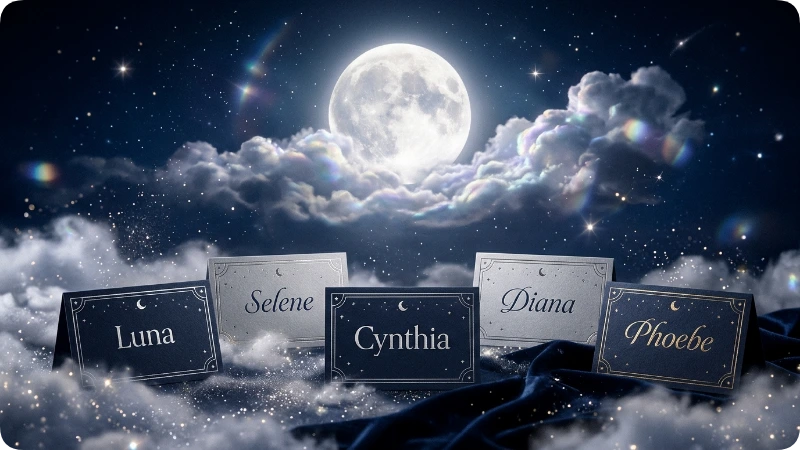
Some moon names have a naturally graceful sound. They are ideal for readers who want something timeless, feminine, romantic, or inspired by celestial beauty.
These options work particularly well for fictional characters, usernames, fantasy heroines, and creative projects.
1. Luna
- Meaning: Moon; the Latin word for the moon.
- Origin: Latin.
- Pronunciation: LOO-nuh.
- Vibe: Soft, elegant, and timeless.
- Best use: Character names, usernames, and pet names.
2. Selene
- Meaning: Moon; also the name of the Greek moon goddess.
- Origin: Greek mythology.
- Pronunciation: suh-LEE-nee.
- Vibe: Graceful, mystical, and romantic.
- Best use: Fantasy characters and mythological stories.
3. Cynthia
- Meaning: An epithet of Artemis associated with Mount Cynthus on Delos.
- Origin: Greek mythology.
- Pronunciation: SIN-thee-uh.
- Vibe: Classic, feminine, and poetic.
- Best use: Elegant character names and literary projects.
4. Diana
- Meaning: Name of the Roman goddess associated with the moon, hunting, and nature.
- Origin: Roman mythology.
- Pronunciation: dye-AN-uh.
- Vibe: Royal, graceful, and strong.
- Best use: Mythological characters and fantasy heroines.
5. Phoebe
- Meaning: Bright or radiant.
- Origin: Greek.
- Pronunciation: FEE-bee.
- Vibe: Delicate, luminous, and cheerful.
- Best use: Gentle characters and celestial usernames.
6. Aylin
- Meaning: Commonly interpreted as moon halo or associated with the moon in Turkish naming usage.
- Origin: Turkish.
- Pronunciation: EYE-lin.
- Vibe: Modern, delicate, and beautiful.
- Best use: Character names and personal usernames.
7. Mahina
- Meaning: Moon.
- Origin: Hawaiian.
- Pronunciation: mah-HEE-nah.
- Vibe: Peaceful, tropical, and graceful.
- Best use: Nature-inspired characters and creative projects.
8. Yue
- Meaning: Moon.
- Origin: Chinese.
- Pronunciation: YWEH.
- Vibe: Minimal, poetic, and elegant.
- Best use: Short usernames and fantasy character names.
Powerful and Mythological Names Associated With the Moon
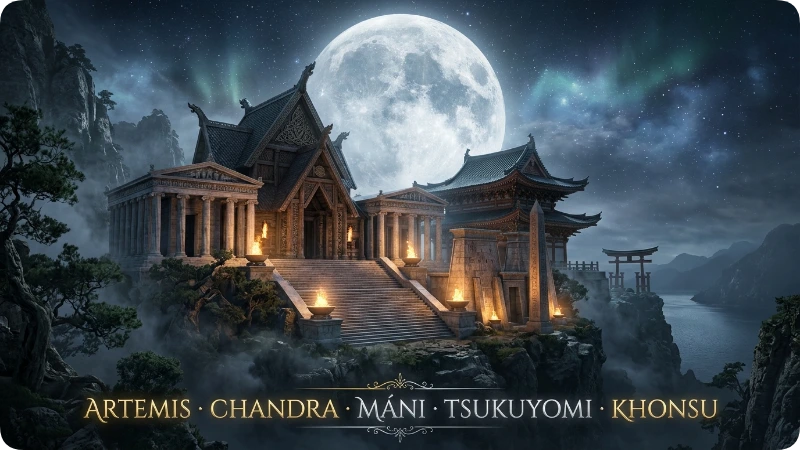
The moon is not always portrayed as gentle or romantic. In mythology, it can represent divine power, protection, mystery, and the natural cycles of the universe.
These names have strong cultural and mythological connections, making them especially suitable for fantasy stories, RPG characters, and powerful fictional identities.
9. Artemis
- Meaning: Name of the Greek goddess associated with hunting, wilderness, and the moon in later traditions.
- Origin: Greek mythology.
- Pronunciation: AR-tuh-miss.
- Vibe: Independent, fearless, and powerful.
- Best use: Warrior characters and fantasy heroines.
10. Chandra
- Meaning: Moon.
- Origin: Sanskrit and Hindu traditions.
- Pronunciation: CHUN-druh.
- Vibe: Spiritual, peaceful, and luminous.
- Best use: Mythological characters and culturally grounded stories.
11. Soma
- Meaning: A sacred substance in Vedic tradition; also associated with the moon in later Hindu traditions.
- Origin: Vedic and Hindu traditions.
- Pronunciation: SOH-muh.
- Vibe: Ancient, mystical, and spiritual.
- Best use: Mythology-inspired fantasy worlds.
12. Máni
- Meaning: Moon; personification of the moon.
- Origin: Norse mythology.
- Pronunciation: MAH-nee.
- Vibe: Ancient, mysterious, and powerful.
- Best use: Norse-inspired stories and RPG characters.
13. Tsukuyomi
- Meaning: Name of the Japanese moon deity.
- Origin: Japanese mythology.
- Pronunciation: tsoo-koo-YOH-mee.
- Vibe: Mysterious, commanding, and otherworldly.
- Best use: Mythological fiction and fantasy characters.
14. Iah
- Meaning: Ancient Egyptian moon deity.
- Origin: Ancient Egyptian religion.
- Pronunciation: EE-ah.
- Vibe: Ancient, distinctive, and mysterious.
- Best use: Historical fantasy and ancient-inspired worlds.
15. Khonsu
- Meaning: Name of an ancient Egyptian moon god.
- Origin: Ancient Egyptian mythology.
- Pronunciation: KHON-soo.
- Vibe: Strong, mysterious, and celestial.
- Best use: Egyptian-inspired fantasy characters.
16. Nanna
- Meaning: Name of the Mesopotamian moon god, also known as Sin.
- Origin: Sumerian mythology.
- Pronunciation: NAN-nah.
- Vibe: Ancient, symbolic, and distinctive.
- Best use: Mesopotamian-inspired storytelling.
17. Diana of the Moon
- Meaning: A creative title connecting Diana with her lunar associations.
- Origin: Inspired by Roman mythology.
- Pronunciation: dye-AN-uh ov thuh MOON.
- Vibe: Regal, divine, and dramatic.
- Best use: Fantasy titles and character identities.
Dark and Mysterious Other Names for the Moon
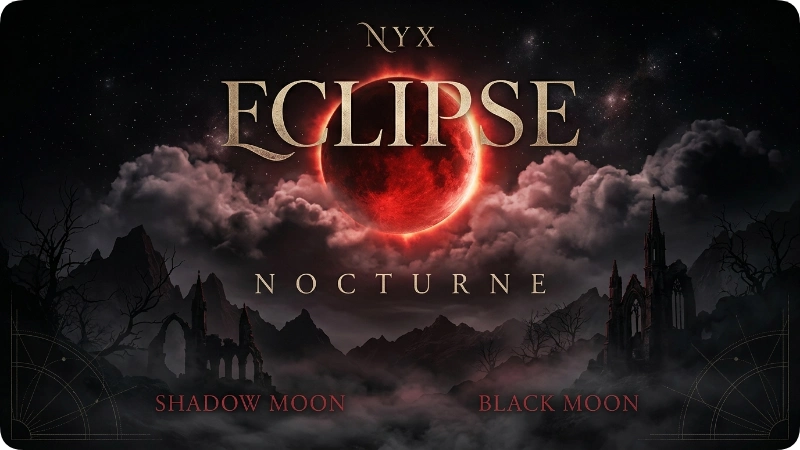
The moon also has a mysterious side. Its appearance changes throughout the month, and its light creates dramatic shadows across the night sky.
If you prefer names with a darker, gothic, magical, or mysterious atmosphere, these ideas may be a better match.
18. Dark Luna
- Meaning: A creative combination suggesting a mysterious or shadowed moon.
- Origin: Modern fantasy expression.
- Pronunciation: DARK LOO-nuh.
- Vibe: Gothic, mysterious, and elegant.
- Best use: Dark fantasy characters and usernames.
19. Blood Moon
- Meaning: A popular expression for the reddish appearance of the moon during a total lunar eclipse.
- Origin: Astronomical expression.
- Pronunciation: BLUD MOON.
- Vibe: Dramatic, intense, and mysterious.
- Best use: Fantasy events, story titles, and fictional places.
20. Shadow Moon
- Meaning: A poetic expression suggesting a moon surrounded by darkness.
- Origin: Modern creative expression.
- Pronunciation: SHAD-oh MOON.
- Vibe: Gothic, secretive, and atmospheric.
- Best use: Dark fantasy and RPG characters.
21. Black Moon
- Meaning: An astronomical expression used for certain uncommon new-moon or full-moon occurrences, depending on the definition.
- Origin: Modern astronomical terminology.
- Pronunciation: BLAK MOON.
- Vibe: Mysterious, dramatic, and powerful.
- Best use: Fantasy locations and dark-themed projects.
22. Nightfall
- Meaning: The beginning of night.
- Origin: English.
- Pronunciation: NYTE-fawl.
- Vibe: Atmospheric, mysterious, and cinematic.
- Best use: Character titles and fantasy places.
23. Nocturne
- Meaning: A musical composition associated with the night.
- Origin: French, from Latin roots.
- Pronunciation: NOK-turn.
- Vibe: Artistic, dreamy, and mysterious.
- Best use: Elegant usernames and fantasy identities.
24. Eclipse
- Meaning: An astronomical event in which one celestial body is obscured by another.
- Origin: Greek through Latin.
- Pronunciation: ih-KLIPS.
- Vibe: Dramatic, powerful, and celestial.
- Best use: RPG characters, gaming names, and fictional worlds.
25. Nyx
- Meaning: Personification of night.
- Origin: Greek mythology.
- Pronunciation: NIKS.
- Vibe: Dark, mysterious, and commanding.
- Best use: Gothic characters and magical identities.
26. Selene Noir
- Meaning: A creative combination of Selene and the French word noir, meaning black.
- Origin: Modern fantasy combination using Greek and French elements.
- Pronunciation: suh-LEE-nee NWAR.
- Vibe: Elegant, shadowy, and sophisticated.
- Best use: Gothic fantasy characters and usernames.
Poetic and Romantic Names for the Moon
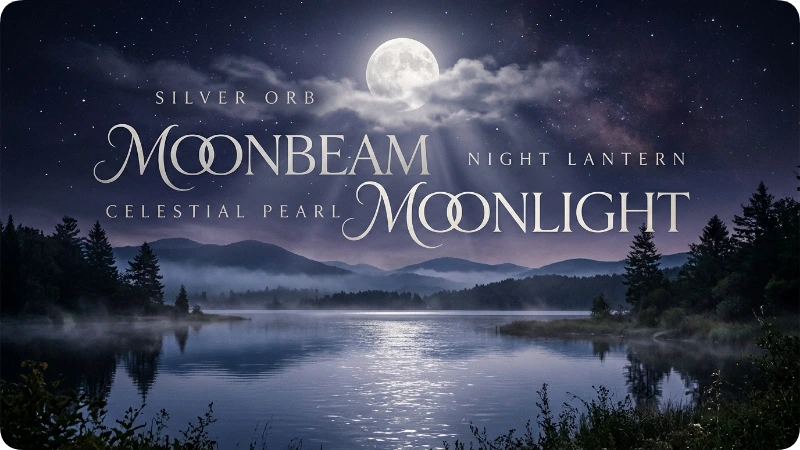
Sometimes, the best alternative to the word moon is not a traditional mythological name. It is an expression that captures how the moon looks or feels.
These poetic choices are especially useful for writers, poets, romantic usernames, and fantasy worlds.
27. Moonbeam
A moonbeam is a poetic expression for a beam or ray of moonlight. It feels gentle, romantic, and dreamy.
Best use: Pet names, romantic usernames, and soft fantasy characters.
28. Moonlight
The natural light reflected from the moon gives this expression a peaceful and timeless quality.
Best use: Poetry, character titles, and aesthetic usernames.
29. Silver Orb
A descriptive expression inspired by the moon’s bright, rounded appearance.
Best use: Fantasy writing and celestial worldbuilding.
30. Night Lantern
A creative metaphor for the moon as a light in the darkness.
Best use: Storytelling, fantasy places, and poetic descriptions.
31. Celestial Pearl
A modern poetic expression comparing the moon to a luminous pearl in the sky.
Best use: Elegant fictional identities and creative projects.
32. Heaven’s Lamp
A literary-style expression describing the moon as a natural nighttime light.
Best use: Poetry, fantasy stories, and descriptive writing.
33. Silver Lady
A personified expression inspired by the moon’s silvery appearance.
Best use: Fairytale characters and romantic fantasy.
34. Night Jewel
A creative expression comparing the moon to a precious jewel in the night sky.
Best use: Fantasy kingdoms, usernames, and fictional places.
35. Lunar Glow
A modern expression inspired by the moon’s soft reflected light.
Best use: Aesthetic usernames, creative brands, and character descriptions.
36. Queen of the Night
A poetic title that gives the moon a royal and mysterious personality.
Best use: Fantasy heroines, celestial queens, and fictional kingdoms.
Unique and Creative Fantasy Names Inspired by the Moon
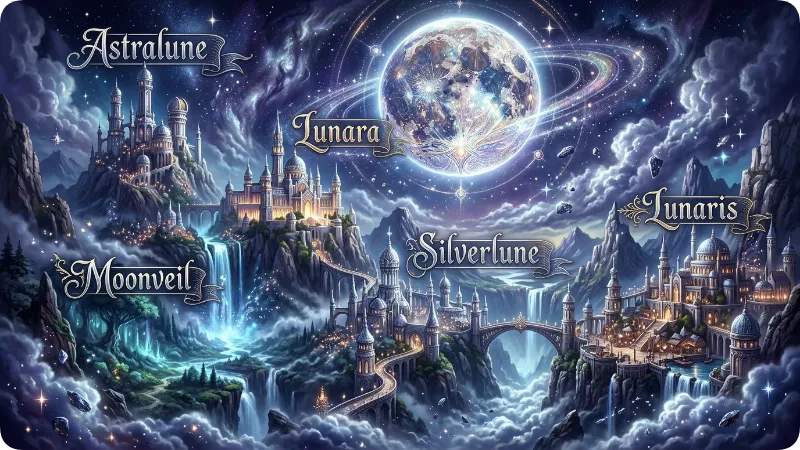
If you are creating a fictional universe, you may want something less familiar than Luna or Selene. Creative combinations can give a character or location a distinctive identity without pretending to have an ancient cultural origin.
The following are modern fantasy-style suggestions rather than verified historical moon names.
| Name | Suggested atmosphere | Best use |
| Lunara | Graceful and magical | Fantasy heroine |
| Lunaris | Celestial and mysterious | Fantasy kingdom |
| Moonveil | Soft and secretive | Magical location |
| Silverlune | Elegant and dreamy | Fantasy character |
| Luneth | Delicate and otherworldly | RPG character |
| Moonshade | Dark and mysterious | Gaming username |
| Astralune | Cosmic and imaginative | Fictional planet |
| Lunavelle | Romantic and graceful | Character name |
| Noctiluna | Dark and celestial | Fantasy identity |
| Starwhisper | Magical and gentle | Fictional character |
| Lunaris Dawn | Hopeful and luminous | Fantasy location |
| Mooncrest | Regal and powerful | Clan or kingdom |
| Silvershade | Elegant and shadowy | Character name |
| Lunafrost | Cool and mystical | Fantasy world |
| Eclipsara | Dramatic and powerful | Fictional heroine |
These names are designed for creative use. Their suggested atmospheres are imaginative associations, not historical meanings or established etymologies.
Moon Names Across Mythology and Different Cultures
The moon has an important place in many cultural traditions. Different civilizations developed their own stories, deities, and expressions connected to this celestial body.
Understanding these connections can help you choose a name with more cultural depth.
Greek Moon Traditions
In Greek mythology, Selene is the personification of the moon. She is commonly depicted traveling across the night sky.
Artemis is another important figure associated with the moon, particularly in later Greek traditions. She is primarily known as a goddess of hunting and wilderness.
Cynthia is an epithet connected to Artemis through Mount Cynthus on the island of Delos. Phoebe is another name from Greek mythology associated with brightness and a Titaness connected with the lunar tradition.
Roman Moon Traditions
Luna is the Roman personification of the moon. Her name became one of the most recognizable Latin-based words for the moon.
Diana, the Roman goddess associated with hunting and nature, also developed strong lunar associations.
These names are particularly suitable if you want a traditional mythological connection rather than a newly invented fantasy name.
Hindu and Sanskrit Traditions
Chandra is the Sanskrit word for moon and the name of a lunar deity in Hindu traditions.
Soma has a more complex religious history. It refers to a sacred substance in Vedic literature and is also associated with the moon in later Hindu traditions.
Both names have deep cultural and religious significance, so they are worth understanding before using them for fictional characters.
Norse Moon Traditions
In Norse mythology, Máni is the personification of the moon. He is associated with the movement of the moon through the sky.
Unlike many modern fantasy interpretations, Máni is rooted in a specific mythological tradition rather than being an invented celestial name.
Japanese Moon Traditions
Tsukuyomi, also written Tsukiyomi, is the name of a Japanese moon deity associated with Shinto mythology.
It is a distinctive option for readers interested in Japanese mythology, although its cultural and religious context should be respected when using it in a story.
Ancient Egyptian Moon Traditions
Ancient Egyptian religion included several lunar deities.
Khonsu was a prominent moon god, while Iah was another deity associated with the moon. These names offer interesting options for readers researching ancient Egyptian mythology.
Chinese Moon Traditions
Yue (月) is the Chinese word for moon. It is a direct linguistic alternative rather than simply a mythological character name.
Chang’e, meanwhile, is a celebrated figure in Chinese lunar mythology, traditionally associated with the moon. She is a moon goddess or immortal figure in popular retellings, but her name is not the ordinary Chinese word for the moon.
How to Choose the Best Alternative Name for the Moon
Finding a beautiful name is only the first step. The right choice depends on what you are naming and the atmosphere you want to create.
1. Match the Name With Your Intended Personality
Think about the personality or feeling you want the name to communicate.
- Elegant: Luna, Selene, Cynthia, and Phoebe.
- Powerful: Artemis, Chandra, Khonsu, and Tsukuyomi.
- Dark: Nyx, Eclipse, Nocturne, and Shadow Moon.
- Romantic: Moonbeam, Moonlight, Silver Lady, and Lunavelle.
- Mystical: Soma, Máni, Iah, and Lunaris.
Choosing a name based on personality makes it easier to find something that feels appropriate.
2. Consider Pronunciation
A name may look beautiful but become difficult to use if readers cannot pronounce it easily.
For example, Luna and Diana are relatively familiar, while Tsukuyomi and Khonsu may require some explanation for audiences unfamiliar with their cultural origins.
If you are naming a gaming character or social media account, shorter names may also be easier to remember.
3. Decide Between Traditional and Creative Names
Traditional names such as Selene, Chandra, and Máni have identifiable cultural or mythological connections.
Creative names such as Moonveil, Lunara, and Silverlune offer more freedom. They can be especially useful when developing a fictional world with its own identity.
Consider whether authenticity or creative flexibility matters more for your project.
4. Think About Nicknames
Longer names sometimes offer more opportunities for affectionate or memorable nicknames.
For example:
- Lunara: Luna, Luni.
- Selene: Sel, Lena.
- Tsukuyomi: Tsuki.
- Chandra: Chan, Chandi.
These are suggested nickname possibilities, not necessarily traditional forms.
5. Match the Name With Your Fictional World
A name should feel natural within the setting where it appears.
A Greek-inspired fantasy kingdom might suit Selene or Artemis, while a Norse-inspired story might work better with Máni.
For an entirely imaginary universe, names such as Lunaris, Moonveil, or Astralune may provide more creative freedom.
Frequently Asked Questions
What is another beautiful name for the moon?
Luna, Selene, Cynthia, Phoebe, and Mahina are beautiful alternatives. Each has a different linguistic or cultural connection, making them suitable for elegant character names, usernames, and creative projects.
What is the ancient name for the moon?
There is no single ancient name shared by all civilizations. Luna was the Roman name associated with the moon, Selene was its Greek personification, Chandra was the Sanskrit word and lunar deity, and Máni was the moon personification in Norse mythology.
What is the most poetic name for the moon?
Moonbeam, Silver Orb, Night Lantern, Celestial Pearl, and Silver Lady are poetic expressions inspired by the moon’s appearance and nighttime atmosphere. They are creative descriptions rather than traditional astronomical names.
What are some mysterious names for the moon?
Nyx, Selene, Tsukuyomi, Khonsu, Eclipse, Nocturne, and Shadow Moon are interesting options for a mysterious atmosphere. Some have genuine mythological connections, while others are modern expressions.
What is the Japanese name for the moon?
The Japanese word for the moon is Tsuki (月). Tsukuyomi is the name of a Japanese moon deity in Shinto mythology. These are different kinds of names: one is a common word, and the other is a mythological name.
Can I use moon names for fantasy characters and usernames?
Yes. Names such as Luna, Selene, Lunara, Máni, Moonveil, and Eclipse can work well for fantasy characters, gaming identities, and usernames. Choose an option that matches your character’s personality and the atmosphere of your fictional world.
Conclusion
The moon has inspired countless names, expressions, and stories across different cultures. From the timeless beauty of Luna and Selene to the powerful mythology behind Chandra, Máni, and Tsukuyomi, there is no shortage of meaningful alternatives to the familiar word moon.
If you prefer something romantic, Moonbeam and Silver Lady offer a gentle feeling. For a darker identity, Nyx and Eclipse bring mystery and drama. And if you are building an entirely new fantasy world, creative options such as Lunara, Moonveil, and Astralune can help establish its unique atmosphere.
The best name is ultimately the one that captures the feeling, identity, and story you want to express.

I am Alexander Reed, a passionate Fantasy and Mythology Names Researcher and Content Writer at NamesHorizon.com. I share creative and well-researched content on fantasy names, mythology, magical creatures, and naming inspiration, helping readers discover distinctive names for characters, stories, and fictional worlds.